


Reviewed and updated November 18, 2026.
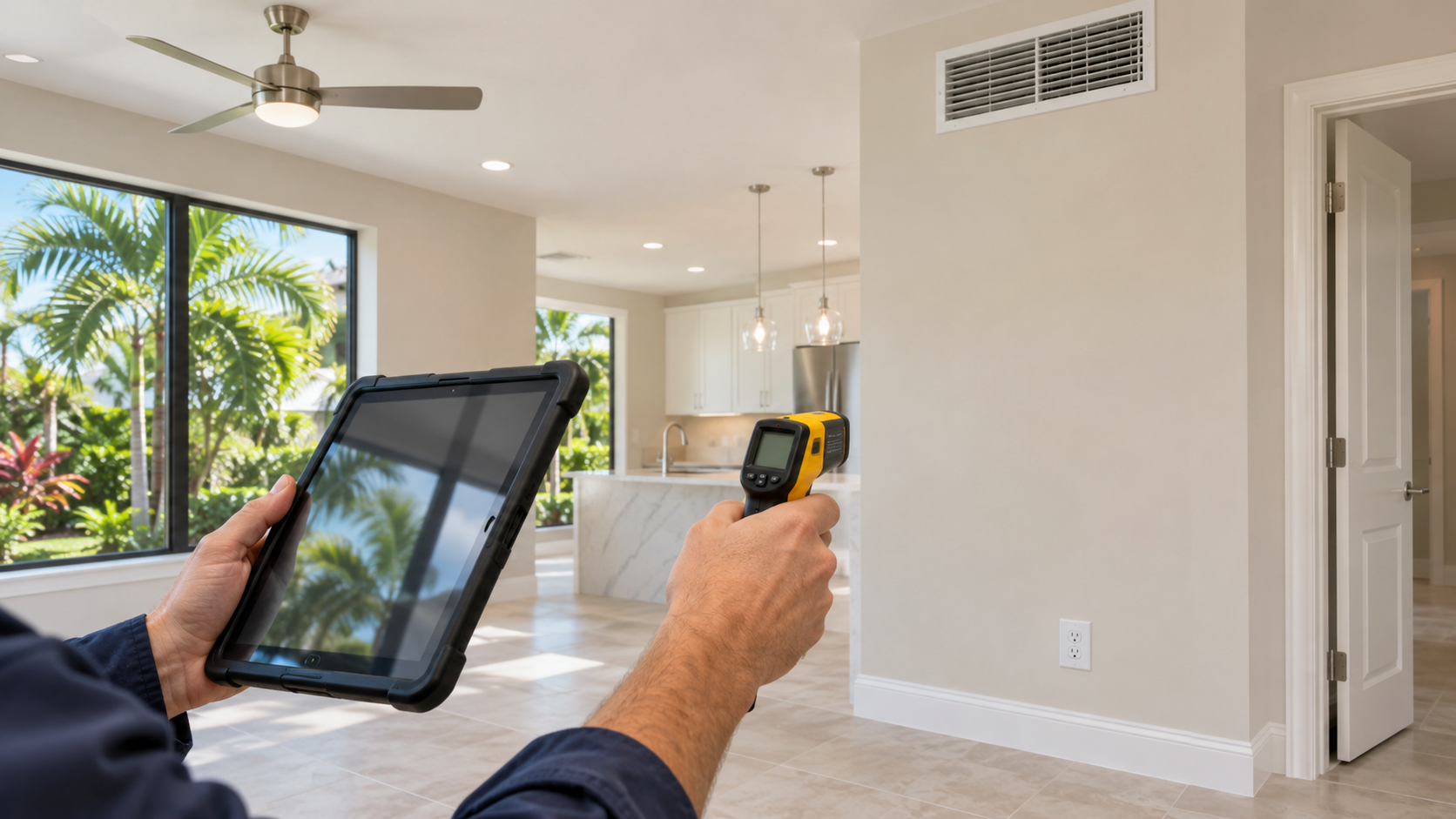
Two Evaluations With Different Jobs
A home inspection and an appraisal may happen during the same transaction, but they answer different questions. The inspection helps a buyer understand the property's visible condition. The appraisal gives the lender an opinion of the property's value. One does not replace the other.
That distinction matters when buying a house or condo in Naples or Marco Island. A clean appraisal does not mean every system has been thoroughly inspected, and an inspection report does not determine the home's market value. Understanding each process can help buyers plan deadlines, ask better questions and avoid treating either report as a guarantee.
Home Inspection vs. Appraisal at a Glance
| Question | Home inspection | Appraisal |
|---|---|---|
| Primary purpose | Provide a professional opinion about visible property condition | Provide an opinion of property value for the lending process |
| Primary audience | The buyer who hires the inspector | The lender, with a copy generally provided to the loan applicant |
| Typical focus | Readily accessible systems and components | Value, comparable market information and lender-required property observations |
| Can it replace the other? | No | No |
What a Florida Home Inspection Covers
Florida Statute 468.8311 defines home inspection services as a limited visual examination of readily accessible installed systems and components. The listed areas include the structure, electrical system, HVAC system, roof covering, plumbing, interior components, exterior components and site conditions that affect the structure.
"Limited visual examination" is an important phrase. An inspection is not an assurance that every hidden condition will be found, and its scope should be clear before work begins. Florida law requires a home inspector to provide the consumer with a copy of the inspector's license and a written disclosure describing the scope and exclusions before contracting for or starting the inspection.
Florida also requires a written report after a paid home inspection. The report must address inspected systems or components the inspector believes are significantly deficient or near the end of their service lives. It must also identify present systems or components that were not inspected and explain why. The statute does not require the inspector to estimate repair costs.
What an Appraisal Does
The Consumer Financial Protection Bureau describes an appraisal as an independent professional opinion of a home's market value. When a buyer finances a purchase, the lender generally requires a form of valuation to evaluate the collateral for the loan. That is different from hiring an inspector to investigate property condition for the buyer.
For applications secured by a first lien on a dwelling, federal rules generally require the creditor to provide the applicant with free copies of appraisals and other written valuations. The applicable timing and coverage depend on the loan and transaction, so buyers should ask their lender when the report will be available.
If an appraisal is below the contract price, the CFPB notes that a buyer may be able to use that valuation in a price negotiation. What happens next depends on the purchase contract, financing terms, lender requirements and the decisions of the parties. A low appraisal does not automatically rewrite or cancel a contract.
Why Buyers Often Need Both
An appraiser may observe certain property conditions, and some loan programs may require repairs before closing. That still does not turn the appraisal into a buyer's home inspection. The U.S. Department of Housing and Urban Development states directly that an appraisal does not replace a home inspection.
A buyer uses the inspection report to decide what further evaluation may be appropriate and what response, if any, to make under the purchase contract. Depending on the report and contract, that response might involve accepting the property, requesting repairs or credits, obtaining specialist opinions, renegotiating, or exercising a contractual cancellation right. The contract controls the available options and deadlines.
Five Practical Steps for Naples and Marco Island Buyers
- Confirm every deadline. Inspection periods, notice requirements, financing provisions and appraisal-related rights come from the signed contract. Put the dates on a calendar immediately.
- Verify the inspector's Florida license. Florida licenses individual home inspectors through the Department of Business and Professional Regulation. Use the state's official license search and review the proposed scope and exclusions.
- Ask what is not included. Find out whether the planned inspection covers the components and concerns relevant to the specific property. Additional specialist evaluations may be appropriate depending on what is observed.
- Attend when permitted and ask questions. The written report matters, but walking through findings with the inspector can provide useful context about maintenance, limitations and recommended follow-up.
- Keep value and condition separate. Review the inspection with condition in mind and the appraisal with value and financing in mind. Send appraisal questions to the lender or appraiser through the permitted process.
A Note for Condo Buyers
Florida's statutory definition of a home includes a condominium unit, but it excludes condominium common areas. A unit inspection therefore should not be treated as a review of the entire building or association. Condo buyers should separately examine the association records and building-level information applicable to the property. See the Fahey Team's Naples and Marco Island condo document checklist for a broader due-diligence overview.
Questions to Ask Before Ordering an Inspection
- Is the individual inspector's Florida license current?
- What systems and components are included or excluded?
- Will the inspector recommend specialists when an issue falls outside the inspection scope?
- When will the written report be delivered?
- Does the report clearly distinguish observed conditions from recommended follow-up?
- Which contract deadline applies to inspection notices or requests?
Start With the Property and the Contract
No generic checklist can determine what a particular buyer should do with a particular property. Inspection scope, financing, insurance, property type and contract language all matter. Buyers should obtain advice from the appropriate licensed professionals for their circumstances, including legal, lending, insurance and inspection professionals when needed. This article provides general educational information, not legal, lending, insurance or inspection advice.
Ready to compare properties? Explore Naples homes for sale, browse Marco Island real estate, or review the Fahey Team's Naples and Marco Island home-buying resources.
For local real estate guidance and property tours, call 239-595-9093 or contact the Fahey Team.
Authoritative Sources
- Consumer Financial Protection Bureau: Schedule a home inspection, accessed November 18, 2026
- Consumer Financial Protection Bureau: What are appraisals?, accessed November 18, 2026
- Consumer Financial Protection Bureau: When an appraisal is below the sale price, accessed November 18, 2026
- Florida Department of Business and Professional Regulation: Home inspector FAQs, accessed November 18, 2026
- 2026 Florida Statutes, Section 468.8311, accessed November 18, 2026
- 2026 Florida Statutes, Section 468.8323, accessed November 18, 2026